
Research
In Our DNA SC - Florence
- calendar_today Thursday, Oct. 15, 2026
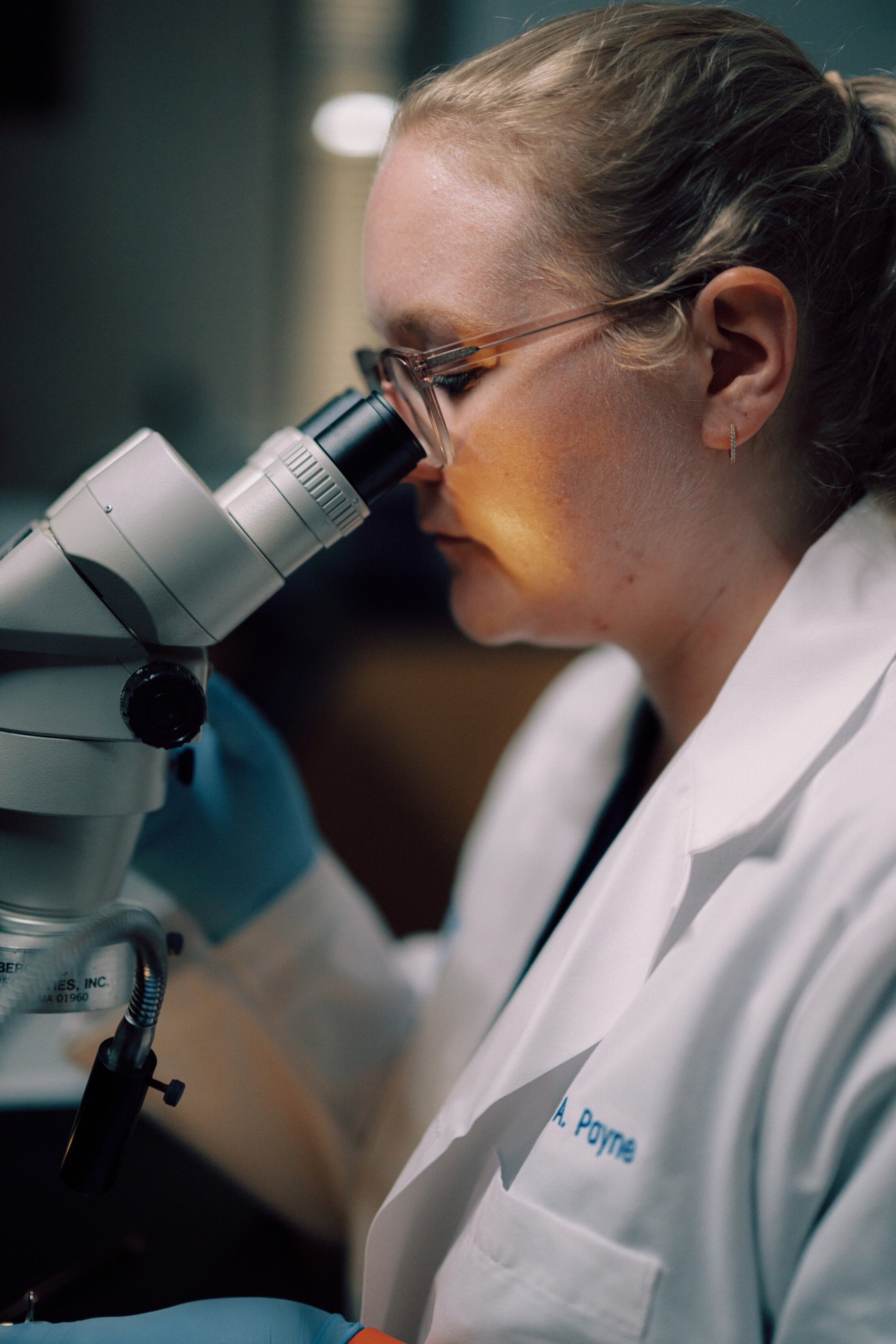
The online, part-time graduate Certificate in Clinical Research (CCR) is ideal for individuals with a science background, specialists, residents, fellows and other healthcare professionals seeking to develop essential skills in clinical trial design, research ethics, and more. The program provides a foundation in human clinical research, equipping professionals with the core competencies needed to lead and contribute to groundbreaking medical advancements. With courses available year-round it suits working professionals and can be completed independently. Furthermore, credits earned from the certificate may be applied toward the Master of Science in Clinical Research program, providing a seamless pathway for future specialization.
Fall 2027
Opens: Oct. 1, 2026
Final deadline: Aug. 1, 2027
Spring 2027
Opens: Oct. 1, 2026
Final deadline: Dec. 1, 2026
Summer 2027
Opens: Jan. 1, 2027
Final deadline: April 1, 2027
Engage in year-round online coursework taught by MUSC faculty, covering clinical biostatistics, epidemiology, trials, ethics, team science, grant writing, and regulatory issues.
When you pursue the Certificate in Clinical Research at MUSC, you gain targeted training that strengthens your ability to contribute meaningfully to human health studies and clinical science. This online, part-time graduate certificate is structured to fit your schedule as a working professional, clinician, specialist, resident, fellow, or scientist with a background in healthcare or clinical sciences.
Your coursework focuses on the essential skills needed to participate in and lead clinical research. You will explore topics in clinical biostatistics, epidemiology, ethical principles in research, clinical trial design, team science, grant writing, and regulatory frameworks. This curriculum equips you with the analytical and methodological foundation required to understand how studies are designed, conducted, and evaluated.
All coursework is delivered online and scheduled year-round, giving you the flexibility to learn while continuing your professional work. This format allows you to interact with faculty experts and peers across disciplines without relocating or pausing your career. As you progress, you will be able to apply classroom concepts directly to real-world research questions and professional practice.
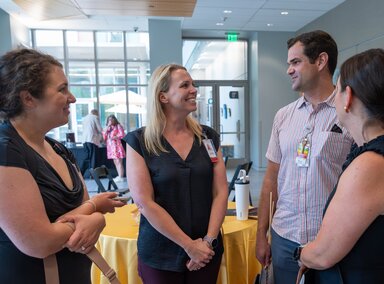
You join a dynamic online community that reflects MUSC’s broader commitment to research excellence. Through your courses, you engage with faculty mentors and fellow learners who bring diverse perspectives from healthcare and science. This environment fosters collaboration, expands your professional network, and supports your growth as a researcher guided by rigorous ethical and scientific standards.
As you complete the certificate, you lay a foundation that may help you pursue further graduate study in clinical research or related fields. The credits you earn can be applied toward MUSC’s Master of Science in Clinical Research, providing a seamless pathway if you choose to deepen your expertise and expand your impact in clinical science.
The Certificate in Clinical Research curriculum consists of 19 credits and is designed to be completed in three semesters. Below is the standard plan of study outlining the structured progression of coursework as you advance through the program.
| Course ID | Course Title | Credits | |
|---|---|---|---|
| MCR700 | Clinical Biostatistics | 3 | |
| MCR736 | Clinical Epidemiology | 3 | |
| MCR750 | Ethical Issues in Clinical Research | 1 | |
| Semester Total | 7 | ||
| Course ID | Course Title | Credits |
|---|---|---|
| MCR724 | Introduction to Clinical Trials | 3 |
| MCR732 | Comparative Effectiveness Research | 3 |
| MCR752 | Team Science in Clinical Research | 1 |
| MCR777 | Introduction to Grant Writing | 1 |
| Semester Total | 8 | |
| Course ID | Course Title | Credits |
|---|---|---|
| MCR731 | Critical Review | 2 |
| MCR773 | Industry/Regulatory | 2 |
| Semester Total | 4 | |
| Curriculum Total | 19 | |
Explore Certificate in Clinical Research admissions requirements and learn how you can meet eligibility criteria and complete the clinical research certificate application process.
Applicants must possess a bachelor's or master's degree in health care or clinical sciences from an accredited institution of higher education (e.g., BSN, MHS); or a doctorate degree from an accredited institution in health care or clinical sciences (e.g., M.D., Pharm.D., O.D., D.M.D., Ph.D.)
At MUSC, we actively support all students to ensure their success in both academic and clinical settings. To support this goal, the university outlines the essential qualities and functional abilities required for participation in its educational programs. These include a range of observational, communication, motor, intellectual and behavioral skills necessary for safe and effective practice.
The following process outlines how and when your materials will be reviewed.
All applicants must submit an GradCAS Application, which includes:
You will then be asked to complete a supplemental MUSC application.
Due to the distance-education nature of this program, MUSC is unable to issue- I-20 forms to allow students to obtain F-1 student visas.
Understand tuition, program costs and financial support for the Certificate in Clinical Research as you plan your path in clinical and translational research.
Tuition and fees listed below apply to the 2026-27 academic year and are per semester unless otherwise noted.
| Fee Type | Fee |
|---|---|
| Application Fee (per application) | $95 |
| Tuition/Fee Type | Fall | Spring | Summer |
|---|---|---|---|
| In-State Tuition (per credit hour) | $480 | $480 | $480 |
| Out-of-State Tuition (per credit hour) | $725 | $725 | $725 |
The Cost of Attendance, or COA, estimates the total educational expenses for an enrollment period. The information below reflects the 2026-27 academic year. The COA includes direct costs, such as tuition and fees, billed by the university, as well as indirect costs you may need to plan for, including housing, food, transportation, books and other personal expenses.
The COA helps determine the maximum amount a student may borrow in an academic year and supports funding-related determinations, such as grants, scholarships, loans and others.
Your actual expenses may be lower than the COA, especially with careful budgeting. MUSC's Office of Student Financial Literacy can help you create a budget that supports your education, personal needs and long-term financial goals.
| Item | Year 1 | Est. Total |
|---|---|---|
| Direct Costs | ||
| In-State Tuition | $9,120 | $9,120 |
| Out-of-State Tuition | $13,775 | $13,775 |
| Health Insurance | $4,000 | $4,000 |
| Fees | - | - |
| In-State Total Direct Costs | $13,120 | $13,120 |
| Out-of-State Total Direct Costs | $17,775 | $17,775 |
| Indirect Costs | ||
| Living Expenses (Food and Housing) | $27,144 | $27,144 |
| Miscellaneous Personal Expenses | $2,880 | $2,880 |
| Transportation | $3,240 | $3,240 |
| Books, Course Materials, Supplies and Equipment | $1,510 | $1,510 |
| Total Indirect Costs | $34,774 | $34,774 |
| Estimated Total Costs | ||
| In-State Total Costs | $47,894 | $47,894 |
| Out-of-State Total Costs | $52,549 | $52,549 |
MUSC offers scholarships for which you may be eligible. Some are awarded based on academic achievement; others are awarded based on community service, for example. However, the majority of scholarships awarded at MUSC are based on financial need. This means that these scholarships are only awarded to students who need some financial assistance to cover the cost of tuition and fees. If you would like to be considered for a financial need-based scholarship, you must have an up-to-date Free Application for Federal Student Aid (FAFSA) on file. Make sure you list the Medical University of South Carolina on your FAFSA form, along with MUSC's code: 003438. We encourage you to submit your FAFSA as early as possible. It is recommended to submit your FAFSA in January if you plan to enroll in the fall.
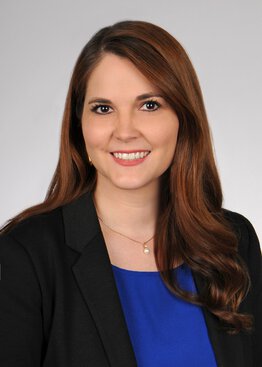
Director of Assessment
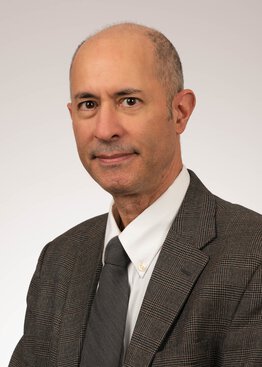
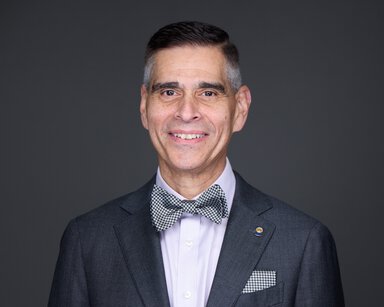
Dr. Obeid is a Professor and SmartState Endowed Chair in Biomedical Informatics in the Department of Public Health Sciences at the Medical University of South Carolina (MUSC). Dr. Obeid is a pediatrician who was formally trained in Medical Informatics at the Division of Health Sciences and Technology, a joint Harvard-MIT fellowship program.
He served as the Associate Director of the Biomedical Informatics Center (BMIC) for over a decade where he led the development of several academic and operational research informatics initiatives including the electronic health records (EHR) Research Data Warehouse (RDW), REDCap, and many others. Since his arrival at MUSC, he has served as principal investigator, co-investigator, and informatics leader on numerous federally funded projects. At the national level, he led several working groups related to translational research informatics. Dr. Obeid is the founder and director of two courses in Biomedical Informatics (MCR-746: Informatics and Data Management for Clinical Research and BDSI-712: Translational Informatics).
His research interests include artificial intelligence (AI), specifically, deep learning and large language models applications using EHR data for e-phenotyping and predictive modeling with focus on clinical text mining. Other research interests include natural language processing, electronic consents, secondary use of EHR data/data warehousing, and biomedical ontologies.
Dr. Obeid is the co-founder of the AI Hub at MUSC. He serves as the director of the Cancer Integrated Data-Enabled Resource (CIDER), which integrates a variety of multimodal data, and provides several services to researchers including, consultations, feasibility queries, brokered access to integrated data, and AI and NLP research services.
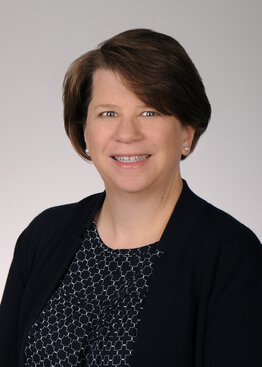
Science Development Officer 843-792-0591 louckst@musc.edu
Our curriculum reflects rigorous educational standards and ethical foundations, preparing professionals to conduct clinical research with integrity, responsibility, and a sense of purpose.
Upon completion of the CCR program, graduates will be able to:
At the core of our program, we are guided by a commitment to the following values that drive our mission:
Connect to a vibrant online community of peers and mentors across MUSC’s College of Graduate Studies, fostering interdisciplinary collaboration in clinical research.
Stay updated on faculty and student achievements in clinical research through regular College of Graduate Studies news and spotlights, including groundbreaking discoveries and event highlights.