

Professional Development
We are committed to setting our postdocs up for success. Here’s how.
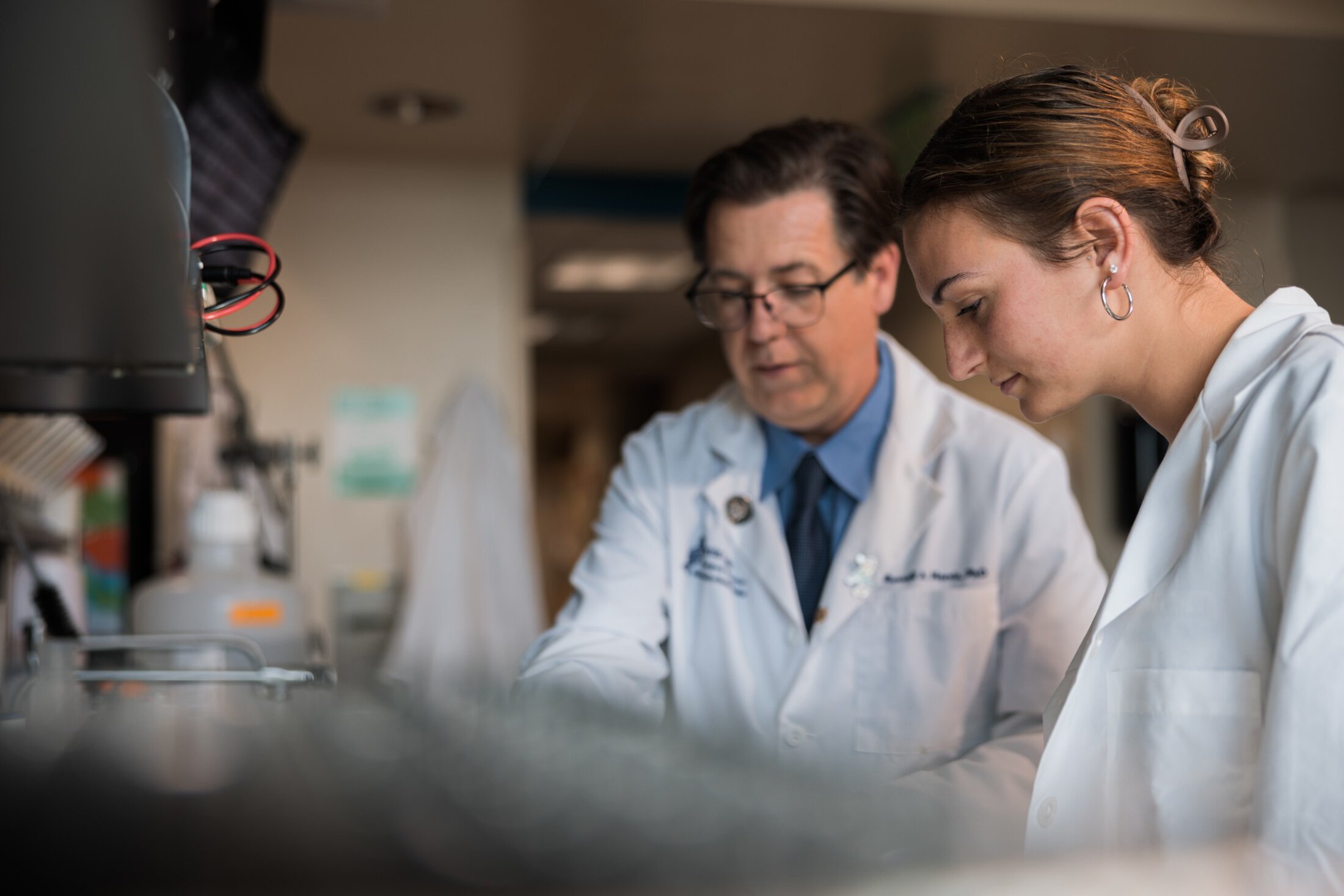
Drive your research impact and career growth as a postdoctoral scholar at MUSC, with tailored support, mentorship, and professional development.
Postdoctoral scholars at MUSC are vital contributors to our research enterprise. The Office of Postdoctoral Affairs is committed to providing the resources, programming, and guidance needed to support your success. Whether you are navigating the transition from graduate school, seeking career development opportunities, or exploring mentorship and training options, we are here to help you thrive. From policy support to workshops, networking, and wellness initiatives, our office fosters a supportive environment that enables you to grow as a researcher, leader, and innovator in your field.
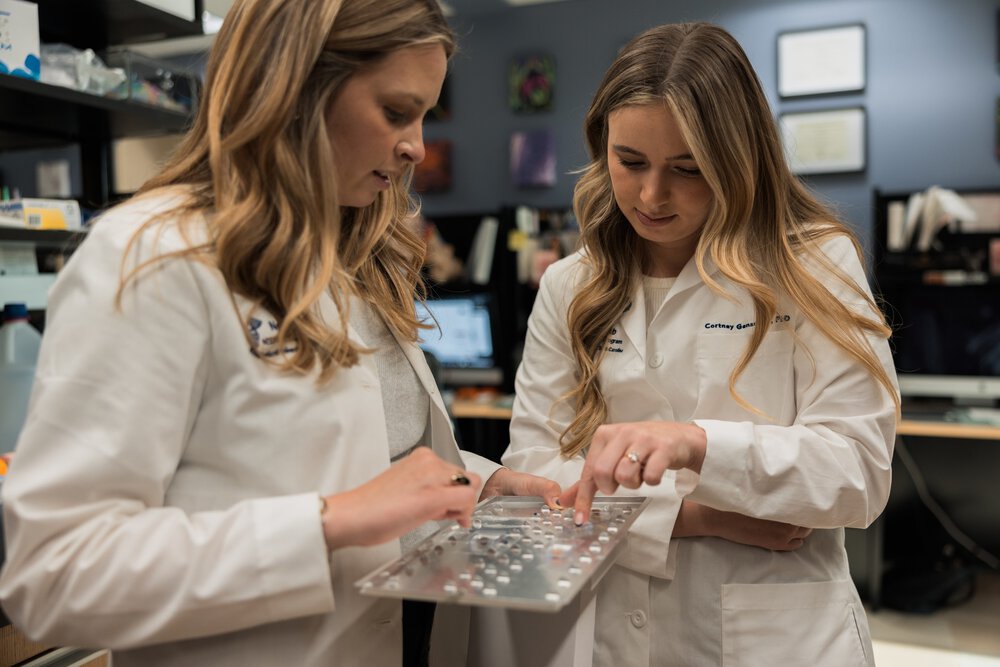
We are always looking for passionate postdocs. Start your journey here.
Need help navigating MUSC as a postdoc? We can help.
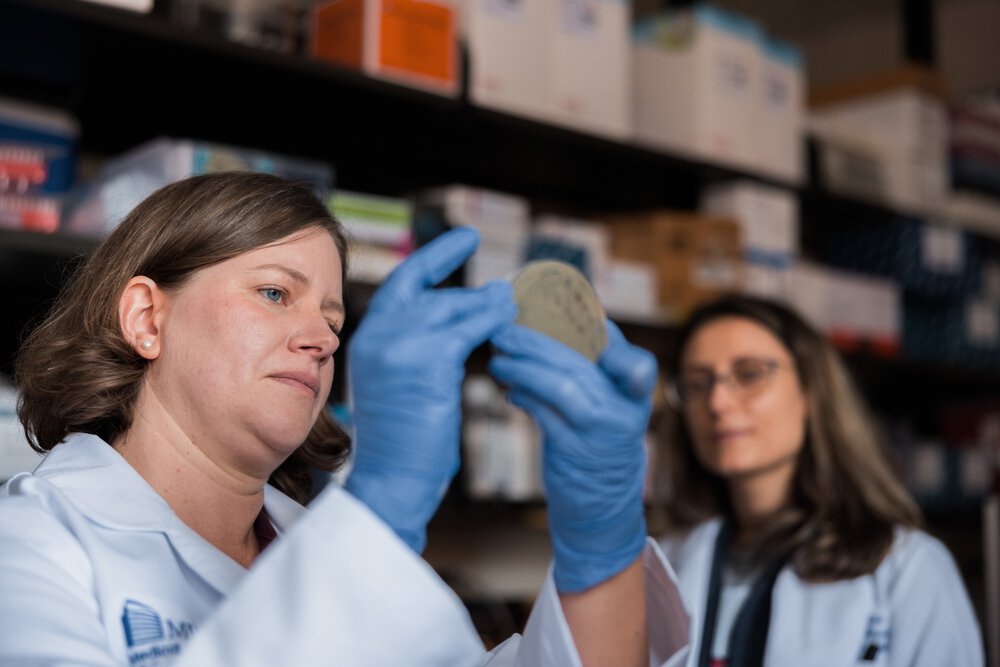
Take a virtual tour of our campus or explore the links below to learn more about support for postdocs at the College of Graduate Studies.
We are committed to setting our postdocs up for success. Here’s how.
The MUSC Postdoc Association plays a key role in our program. Learn more here.
Explore resources for hiring and mentoring postdocs at MUSC’s College of Graduate Studies.
The Dean of the College of Graduate Studies created the Office of Postdoctoral Affairs in October 2005 to better address postdoctoral trainees' unique needs. The initial goals were revitalizing the dormant Postdoctoral Association, evaluating postdoctoral policies and resources, counseling postdoctoral scholars in career development, and serving as representation for MUSC postdoctoral training on the national level.
The Office of Postdoctoral Affairs (OPA) consists of the Assistant Dean for Postdoctoral Affairs and the Program Coordinator for Postdoctoral Affairs. The Assistant Dean approves all postdoctoral appointments. All mentors must have Graduate Faculty status. Funding for the OPA comes from the College of Graduate Studies and supports workshops and activities of the MUSC Postdoctoral Association (PDA). The Assistant Dean advises postdocs on career development issues, approaches for resolving conflicts with their mentor, or any general professional or administrative problem.
There are currently 126 postdoctoral trainees at MUSC, 87 as postdoctoral scholars and 39 as NIH postdoctoral fellows, approximately 76 percent of which are US or permanent residents and 24 percent internationals. Gender distribution is 44 percent male and 56 percent female. Approximately 31 percent of MUSC postdocs are supported by either individual fellowships or NIH T32 training grants.
As South Carolina’s leading biomedical research university, we know that postdocs are critical to our mission to change what's possible in human health. MUSC leads the state of South Carolina in research funding, we’re home to an NCI-accredited Cancer Center, a Clinical and Translational Service Award (CTSA) hub, an NIDDK-funded Digestive Disease Center, four NIH-funded Centers of Biomedical Research Excellence (COBRE), a robust research infrastructure including a gnotobiotic animal facility, and 6 postdoctoral institutional training grants. Our faculty publish thousands of articles each year, were awarded approximately $300M in research funding in FY2022, and are the home of more than 50 active biomedical startups.
Our postdocs enjoy a generous benefits package, NRSA benchmarked salaries, and numerous career and professional development opportunities to choose from each year. We hope you will explore our faculty's research, core facilities, and open positions.
For more information, or to be matched with funded investigators please fill out our interest form below.
MUSC's pedestrian-friendly campus is located in the heart of Charleston, a destination city known for its historic preservation, arts and music, mild climate and beautiful Atlantic shoreline.
If you are considering MUSC's College of Graduate Studies for postdoctoral training, explore the full range of faculty and research interests, familiarize yourself with the postdoc benefits, and understand the cost of living in the vibrant and dynamic Lowcountry area of Charleston, South Carolina.