

Academic Leadership
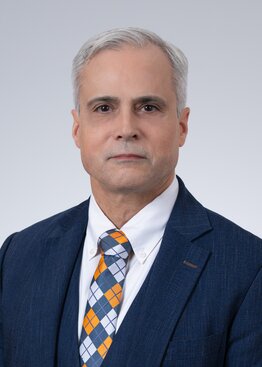
Michael J. Bouchard, Ph.D.
Dean and Professor, College of Graduate Studies
Michael J. Bouchard, Ph.D., serves as Dean of the College of Graduate Studies, overseeing graduate education and postdoctoral training programs. He supports students and trainees in advancing their research, fostering meaningful mentorship relationships, and preparing for impactful careers in science and academia. He is also a professor in the Department of Pharmacology and Immunology.
Office of the Dean
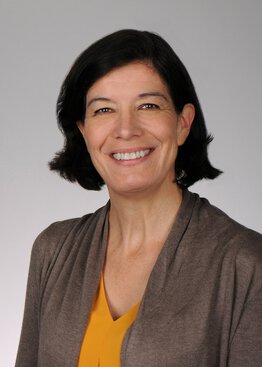
Laura M. Kasman, Ph.D.
Associate Dean, Postdoctoral Affairs
Director, MS in Medical Sciences Program
Professor, Department of Pharmacology & Immunology
mail
kasmanl@musc.edu
call
843-876-2404
View Faculty Profile
open_in_new
Visit the Office of Postdoctoral Affairs
arrow_forward
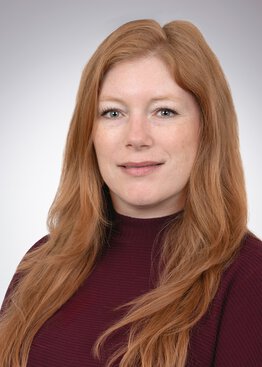
Chris Brothers, MBA
Associate Dean, Finance & Administration
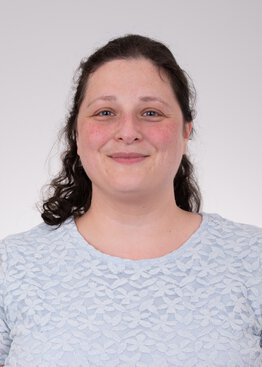
Rachel Penrod-Martin, Ph.D.
Assistant Dean, Academic Affairs, College of Graduate Studies
Director, Mouse Behavioral Phenotyping Core
Associate Professor, Department of Neuroscience
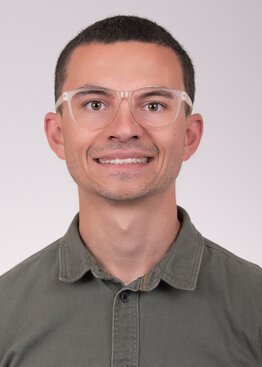
Christian Ambrose, MA
Instructional Designer & eLearning Specialist
Josh Boyle
Administrator, Clemson/MUSC Bioengineering Program
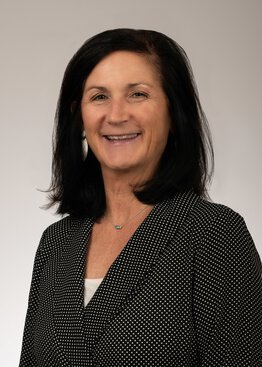
Cathy Butler, MS
Director, Industry Partnerships and Career Development
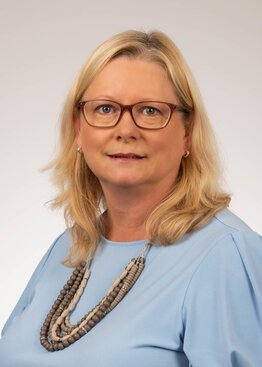
Sandra Catlett
Executive Support and Director, Strategic Initiatives
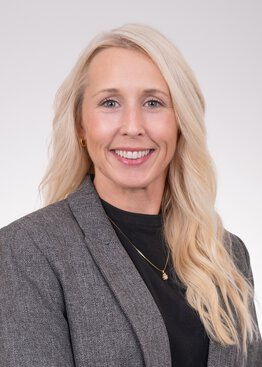
Jeannie Colson
Manager, Marketing & Communications
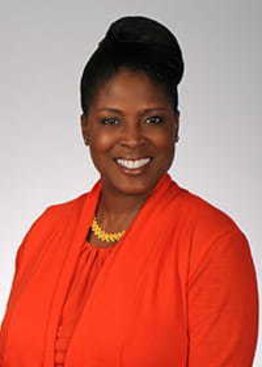
Maritza Dawkins-Holnes
Manager, Senior Graduate Program
ADA Liaison, College of Graduate Studies
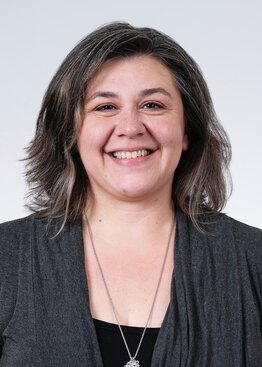
Kristine DeLeon-Pennell, Ph.D.
Assistant Dean, Student Affairs
Associate Professor, Cardiology
Dr. DeLeon-Pennell was trained in cardiovascular sciences at Baylor University, University of Texas Health Science Center San Antonio, and the University of Mississippi Medical Center. She has >10 years’ experience with all aspects of the inflammatory and fibrotic components of cardiac remodeling following a heart attack. Her current research projects focus on the role of the adaptive immune system and how it interplay with the innate immune system to regulate cardiac wound healing. This includes evaluating how existing confounding variables such as gender or aging changes these processes.
Research Profile
The DeLeon-Pennell Lab focuses on all aspects of the inflammatory and fibrotic components of cardiac remodeling following a heart attack (myocardial infarction; MI). This includes evaluating how existing variables such as gender or aging changes these processes. Our major research focus is on the role of the adaptive immune system and the interplay with the innate immune system to regulate cardiac wound healing. These changes include cell-cell and cell-matrix interactions, which both affect and react to processes involved in tissue repair.
Overall our goal is to:
- Develop multidimensional approaches to examine the mechanisms whereby the innate and adaptive immune system influences cardiovascular remodeling
- Understand the dynamics and function of bio-molecules involved in cardiac remodeling
- Improve current therapeutic strategies to prevent, slow, or reverse the progression to heart failure
Recently our lab has identified new mechanisms implicating CD8+ T-cells as regulators of the post-MI wound healing process. Our data indicated without functional CD8+ T-cells there was a decrease in left ventricular dilation and improved mortality post MI. In addition CD8+ T-cells were found to facilitate removal of necrotic tissue and the development of the fibrotic scar. The DeLeon-Pennell laboratory has been supported by grants from the National Heart, Lung and Blood Institute, the American Heart Association, the Medical University of South Carolina, and the US Department of Veterans Affairs.
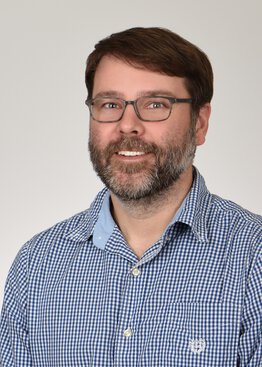
Matthew Greseth, Ph.D.
Director, Student Affairs
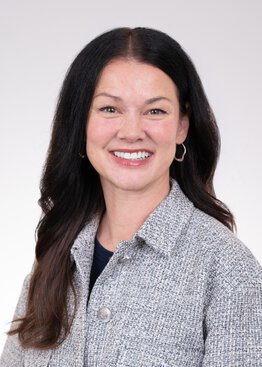
Khrystin Harshaw, MBA
Director, Finance & Research Operations
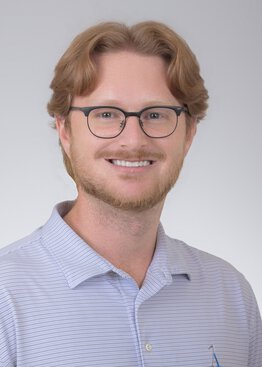
Will Largin, MBA
Accounting & Fiscal Manager
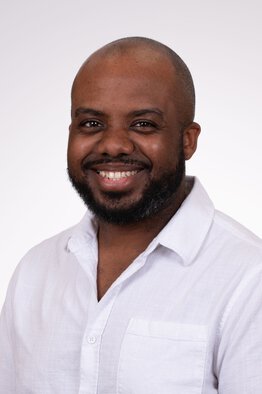
DJ Lester
Graduate Program Manager
First-Year PhD Program Coordinator
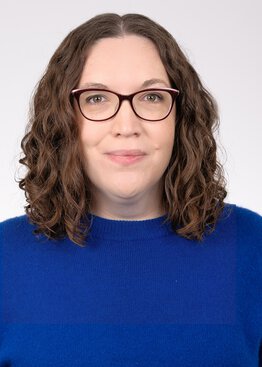
Nicole Page
Administrative Coordinator, Postdoctoral Affairs
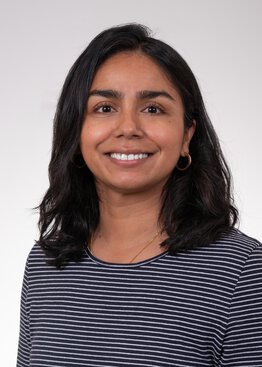
Richa Pokhrel, MA
Graduate Program Manager
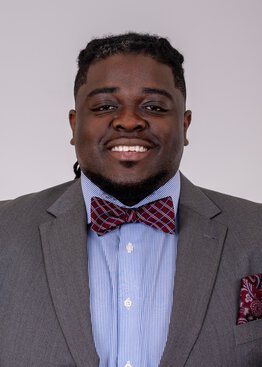
Fred Quick, MS
Director, Recruitment & Admissions
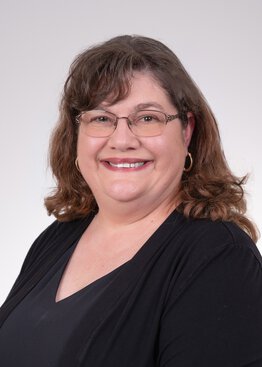
Paula Talbot
Registrar, College of Graduate Studies
Director, Student Enrollment