

Doctor of Philosophy in Drug Discovery
Program Overview
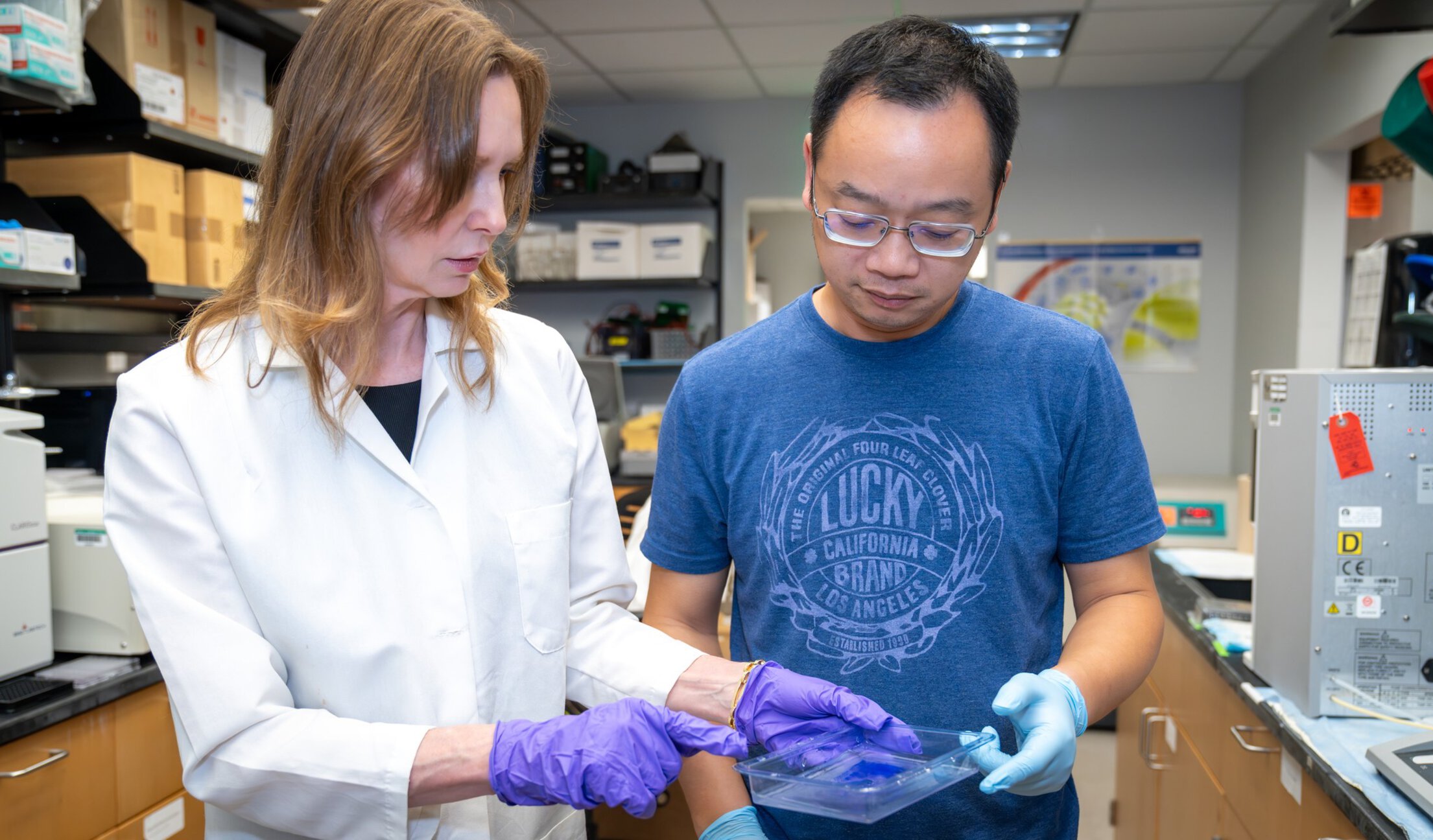
The Doctor of Philosophy in Drug Discovery (Ph.D.) program is a residential, research-intensive program where students will learn how new treatments move from molecular insight to clinical impact while working alongside faculty advancing the frontiers of health science. You will join a collaborative research community defined by discovery, mentorship and cross-disciplinary partnerships with clinicians and scientists across campus. From day one, you will build the scientific thinking needed to investigate disease mechanisms, understand drug action and toxicity, identify promising targets and design and evaluate new therapeutic agents, refining your focus as your research interests evolve. Our training emphasizes rigorous inquiry, experimental design, critical analysis and ethical practice, paired with communication and grant-writing skills that help students work move from the bench to patients and communities. Immersive laboratory experience and translational opportunities connect your research to real-world health needs and prepare you to lead teams that advance ideas. Graduates emerge ready to shape the future of biomedical innovation, pursuing impactful roles in academia, biotechnology, pharmaceutical R&D, government research and emerging ventures.
Application Timeline
Opens: Sept. 1, 2026
Final deadline: Dec. 1, 2026
6+
manuscripts per lab per year
100%
graduate employment rate
38
dual-degree students
89%
fellowship placement rate
Success you can measure
From national recognition to student satisfaction and real-world results, these numbers reflect the value and impact waiting for you in our program.
Learning Experience
You will learn through immersive laboratory research, faculty mentorship, scientific discussion and residential engagement that helps you refine questions and grow as an independent investigator.
Inside the Program
When you enroll in the Ph.D. in Drug Discovery, you enter a fully immersive environment where curiosity drives daily progress and close mentorship accelerates your growth as a scientist. From the start, you will build a strong foundation in the basic sciences that power therapeutic discovery, including biochemistry, cell and molecular biology, pharmacology, oncology and neuroscience, while learning how researchers translate disease mechanisms into testable therapeutic hypotheses. Early rotations and advising helps you as a trainee refine the questions that inspire your work and select a mentorship setting aligned with your goals, enabling you to move quickly from interest to impact.
As your training progresses, you will design rigorous experiments, interpret complex datasets and engage with scientific literature to situate your research within the broader field. You will practice communicating findings with clarity and purpose in lab meetings, seminars, manuscripts and proposals, developing the voice and precision expected of an independent investigator. Along the way, you will deepen your expertise in drug action and toxicity, target identification and the design and evaluation of new pharmaceutical agents, always with an eye toward safer and more effective approaches to human health.
You will have access to a collaborative academic health ecosystem where basic science, translational insight and clinical perspective converge. The residential format keeps you close to mentors, peers, core facilities and research conversations that sharpen your thinking and expand your network. When transitioning to dissertation research, you will have strengthened the habits that define successful discovery scientists, including independent inquiry, ethical practice, resilience and cross-disciplinary collaboration, preparing them to lead projects that move promising ideas toward real-world impact.
Curriculum
The Doctor of Philosophy in Drug Discovery curriculum consists of 180-315 credits and is designed to be completed in 21 semesters. Below is the standard plan of study outlining the structured progression of coursework as you advance through the program.
Year 1, Fall
| Course ID | Course Title | Credits |
|---|---|---|
| CGS720 | Laboratory Rotation | 6 |
| CGS739 | Navigating the Biomedical Landscape I | 2 |
| CGS765 | Proteins: Dynamic Structures & Functions | 1 |
| CGS766 | Genes: Inheritance/Expression | 2 |
| CGS767 | Cells: Organization/Communication | 2 |
| CGS768 | Techniques & Experimental Design | 2 |
| Semester Total | 15 | |
Year 1, Spring
| Course ID | Course Title | Credits |
|---|---|---|
| CGS721 | Laboratory Rotations | 7 |
| CGS741 | CGS741 Navigating the Biomedical Landscape II | 2 |
| CGS744 | Ethical Foundations in Biomedical Research | 0.5 |
| CGS790A-G | Topics in Contemporary Biomedical Science | 2 |
| CGS790A-G | Topics in Contemporary Biomedical Science | 2 |
| CGS790A-G | Topics in Contemporary Biomedical Science | 2 |
| Semester Total | 15.5 | |
Year 1, Summer
| Course ID | Course Title | Credits |
|---|---|---|
| CGS764 | Science Writing As Persuasion | 1 |
| TBD | Additional courses in area of study and/or research | 14 |
| Semester Total | 15 | |
Year 2, Fall
| Course ID | Course Title | Credits |
|---|---|---|
| CGS769 | Deconstructing F Grant Writing | 2 |
| TBD | Additional courses in area of study and/or research | 13 |
| Semester Total | 15 | |
Year 2, Spring
| Course ID | Course Title | Credits |
|---|---|---|
| TBD | Additional courses in area of study and/or research | 15 |
| Semester Total | 15 | |
Year 2, Summer
| Course ID | Course Title | Credits |
|---|---|---|
| TBD | Additional courses in area of study and/or research | 15 |
| Semester Total | 15 | |
Year 3, Fall
| Course ID | Course Title | Credits |
|---|---|---|
| TBD | Additional courses in area of study and/or research | 15 |
| Semester Total | 15 | |
Year 3, Spring
| Course ID | Course Title | Credits |
|---|---|---|
| TBD | Additional courses in area of study and/or research | 15 |
| Semester Total | 15 | |
Year 3, Summer
| Course ID | Course Title | Credits |
|---|---|---|
| TBD | Additional courses in area of study and/or research | 15 |
| Semester Total | 15 | |
Year 4, Fall
| Course ID | Course Title | Credits |
|---|---|---|
| TBD | Additional courses in area of study and/or research | 15 |
| Semester Total | 15 | |
Year 4, Spring
| Course ID | Course Title | Credits |
|---|---|---|
| TBD | Additional courses in area of study and/or research | 15 |
| Semester Total | 15 | |
Year 4, Summer
| Course ID | Course Title | Credits |
|---|---|---|
| TBD | Additional courses in area of study and/or research | 15 |
| Semester Total | 15 | |
Year 5, Fall
| Course ID | Course Title | Credits |
|---|---|---|
| TBD | Additional courses in area of study and/or research | 15 |
| Semester Total | 15 | |
Year 5, Spring
| Course ID | Course Title | Credits |
|---|---|---|
| TBD | Additional courses in area of study and/or research | 15 |
| Semester Total | 15 | |
Year 5, Summer
| Course ID | Course Title | Credits |
|---|---|---|
| TBD | Additional courses in area of study and/or research | 15 |
| Semester Total | 15 | |
Year 6, Fall
| Course ID | Course Title | Credits |
|---|---|---|
| TBD | Additional courses in area of study and/or research | 15 |
| Semester Total | 15 | |
Year 6, Spring
| Course ID | Course Title | Credits |
|---|---|---|
| TBD | Additional courses in area of study and/or research | 15 |
| Semester Total | 15 | |
Year 6, Summer
| Course ID | Course Title | Credits |
|---|---|---|
| TBD | Additional courses in area of study and/or research | 15 |
| Semester Total | 15 | |
Year 7, Fall
| Course ID | Course Title | Credits |
|---|---|---|
| TBD | Additional courses in area of study and/or research | 15 |
| Semester Total | 15 | |
Year 7, Spring
| Course ID | Course Title | Credits |
|---|---|---|
| TBD | Additional courses in area of study and/or research | 15 |
| Semester Total | 15 | |
Year 7, Summer
| Course ID | Course Title | Credits |
|---|---|---|
| TBD | Additional courses in area of study and/or research | 15 |
| Semester Total | 15 | |
| Curriculum Total | 180-315 | |
Your path to admission
Discover key information about application steps and required documentation to help you move forward with confidence.
Eligibility Requirements
All applicants must:
- Have earned or expect to have earned a bachelor’s degree from a regionally accredited institution in the U.S. or its equivalent from a foreign institution prior to enrolling
- Submitted a GradCAS application
Submission of a standardized test score is not required but will be considered if submitted.
No single metric is used to assess applicants, but rather a broader picture of the candidate’s equalities is considered by our admissions committee. As a guideline, candidates with a cumulative GPA of 3.0 or greater are more likely to be considered favorably.
Minimum Abilities
At MUSC, we actively support all students to ensure their success in both academic and clinical settings. To support this goal, the university outlines the essential qualities and functional abilities required for participation in its educational programs. These include a range of observational, communication, motor, intellectual and behavioral skills necessary for safe and effective practice.
Prerequisites
While there are no prerequisites, applicants should provide evidence of research experience.
Frequently Approved Prerequisites
Before applying, it's essential to ensure that any prior coursework meets the admissions requirements. MUSC provides a helpful reference list of frequently approved prerequisite courses to guide you in understanding which classes may satisfy your program's requirements.
Application Process
The following outlines the admissions process and what applicants can expect after submitting their application.
- Submit your GradCAS application as early as possible. All application materials, including transcripts, letters of recommendation, and program-specific requirements, must be received by the final application deadline.
- Complete the MUSC Supplemental Application. After submitting your GradCAS application, you will receive instructions for accessing and completing the MUSC Supplemental Application. Both the GradCAS application and MUSC Supplemental Application must be submitted before your application can be reviewed.
- Application Review. Once all required materials have been received, the Graduate Admissions Committee will begin reviewing applications.
- Virtual Faculty Interviews. Selected applicants will participate in virtual interviews with expert faculty members.
- Campus Visit Invitations. Following the virtual interview process, a subset of applicants may be invited to campus to meet faculty, interact with current students, tour research facilities and learn more about the graduate experience at MUSC.
- Final Admissions Decision. Following the campus visits, the Graduate Admissions Committee will complete its review and make final admissions recommendations. Applicants will be notified directly regarding their admission status.
On-campus visits take place in January and March.
Application Requirements
All applicants must submit a GradCAS application, which includes:
- Letters of recommendation: All applicants must provide three letters of recommendation, preferably from instructors or supervisors in a scientific or health care position.
- Official transcripts from all institutions attended. Applicants are required to submit unofficial or official transcripts for each and every post-secondary institution attended even if listed as transfer credit on another transcript. In cases where we accept unofficial documents, the unofficial document must be a copy of the original. If submitting an unofficial transcript, all courses, grades, degrees awarded (if applicable), and the name of the institution must be clearly visible on the document. Some academic advising reports and degree audits do not contain all the necessary information so the document should be reviewed before submission. If offered a position, the applicant will be asked to request an official transcript from each institution listed in the Education section of their application, regardless of the number of credit hours earned. MUSC reserves the right to rescind any offer of admission if any discrepancies are found between the unofficial and official transcripts.
- Personal statement: All applicants must submit a personal statement, not to exceed 1,000 words, which explains their career goals and reasons for applying to the program.
- Resume/CV: Applicants must provide an updated resume detailing relevant academic and professional experiences.
Note: If an applicant is unable to apply online, they must petition the Office of the Dean for special accommodation explaining why they are unable to apply online.
International Applicants
Academic records from foreign institutions must be provided in English, certified, and validated as authentic by a university or government official. The College of Graduate Studies requires that transcripts be evaluated by professional agencies and are submitted to MUSC electronically or in unopened envelopes showing the equivalency of work completed outside the U.S. The following websites are preferred agencies and are members of the National Association for Credit Evaluation Services (NACES). Their costs vary across agencies, and we encourage you to compare prices and select the best choice for you. NACES International Education Research Foundation – Credential Evaluation & Translation Services – Chartered NACES Member World Education Services: International Credential Evaluation for U.S. (wes.org) If your education was completed in the U.S., you do not need to complete a transcript credit evaluation.
If offered a position, and the applicant has only submitted an unofficial transcript evaluation, the candidate will be required to provide an official transcript and evaluation before any further consideration of that applicant will be given.
A language proficiency test is required for all applicants whose native language is not English. Scores must not be more than two years old. Exceptions can be made if a student has attended a United States institution for an extended period. An exception might also be made for students in a foreign institution that uses English as the primary language for instruction, however, these are made on a case-by-case basis.
Final consideration cannot be granted to an international student’s application for admission until these official scores are received by the Office of Enrollment Management. Accepted tests are IELTS and TOEFL. Minimal requirements are: TOEFL: 100 IELTS: 7
MUSC welcomes international applicants and offers tailored guidance to support you throughout the admission process. View details at International Applicants.
Funding your path forward
Focus on discovery while planning responsibly by reviewing the information below, then talking with a recruiter about your Ph.D. funding package.
Tuition & Fees
Tuition and fees listed below apply to the 2026-27 academic year and are per semester unless otherwise noted.
| Fee Type | Fee |
|---|---|
| Application Fee (per application) | $50 |
| Matriculation Fee (upon applicant acceptance) | $250 |
Full-Time
| Tuition/Fee Type | Fall | Spring | Summer |
|---|---|---|---|
| In-State Tuition | $7,475 | $7,475 | $7,475 |
| Out-of-State Tuition | $9,948 | $9,948 | $9,948 |
Cost of Attendance
The Cost of Attendance, or COA, estimates the total educational expenses for an enrollment period. The information below reflects the 2026-27 academic year. The COA includes direct costs, such as tuition and fees, billed by the university, as well as indirect costs you may need to plan for, including housing, food, transportation, books and other personal expenses.
For most admitted residential Ph.D. students, the COA does not reflect what you should expect to pay out of pocket. Tuition, health insurance and a stipend are generally provided as part of the student's funding package. Instead, the COA helps determine the maximum amount a student may borrow in an academic year and supports funding-related determinations, such as grants, scholarships, loans and others.
Your actual expenses may be lower than the COA, especially with careful budgeting. MUSC's Office of Student Financial Literacy can help you create a budget that supports your education, personal needs and long-term financial goals.
| Item | Year 1-4 | Est. Total |
|---|---|---|
| Direct Costs | ||
| In-State Tuition | $22,425 | $89,700 |
| Out-of-State Tuition | $29,844 | $119,376 |
| Health Insurance | $4,000 | $16,000 |
| Fees | $300 | $1,200 |
| In-State Total Direct Costs | $26,725 | $106,900 |
| Out-of-State Total Direct Costs | $34,144 | $136,576 |
| Indirect Costs | ||
| Living Expenses (Food and Housing) | $27,144 | $108,576 |
| Miscellaneous Personal Expenses | $2,880 | $11,520 |
| Transportation | $3,240 | $12,960 |
| Books, Course Materials, Supplies and Equipment | $3,160 | $12,640 |
| Total Indirect Costs | $36,424 | $145,696 |
| Estimated Total Costs | ||
| In-State Total Costs | $63,149 | $252,596 |
| Out-of-State Total Costs | $70,568 | $282,272 |
Scholarships & Aid
MUSC offers scholarships for which you may be eligible. Some are awarded based on academic achievement; others are awarded based on community service, for example. However, the majority of scholarships awarded at MUSC are based on financial need. This means that these scholarships are only awarded to students who need some financial assistance to cover the cost of tuition and fees. If you would like to be considered for a financial need-based scholarship, you must have an up-to-date Free Application for Federal Student Aid (FAFSA) on file. Make sure you list the Medical University of South Carolina on your FAFSA form, along with MUSC's code: 003438. We encourage you to submit your FAFSA as early as possible. It is recommended to submit your FAFSA in January if you plan to enroll in the fall.
Annual Stipend
Students in the Ph.D. in Drug Discovery program at MUSC receive a $39,000 annual stipend, effective July 1, 2026. The program also covers tuition, fees and health insurance for these students.
Career Outlook
Program Faculty
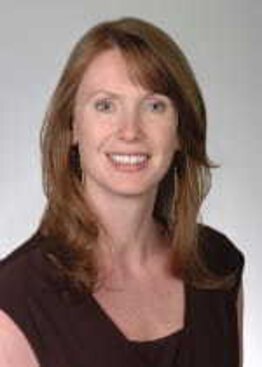
Danyelle Townsend, Ph.D.
Interim Research Co-Chair, Department of Drug Discovery & Biomedical Sciences
Professor, College of Pharmacy
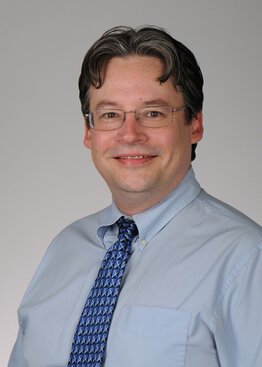
Yuri Peterson, Ph.D.
Director, Drug Discovery Core
Director, Bioenergetics Profiling Core
Interim Education Co-Chair, Drug Discovery & Biomedical Sciences
Professor, Drug Discovery & Biomedical Sciences
View Faculty Profile
open_in_new
View Research Profile
open_in_new
Drug Discovery Core (DDC)
arrow_forward
My research focus is to employ in vitro, cell-based, and in silico approaches to quantitate protein and small molecule functionality as a bridge between chemical biology and pathobiology. My training and background is in cell and molecular pharmacology, cancer biology and informatics, chemical biology, and biotechnology.
My expertise in bioassays, microscopy, high-throughput screening, protein-ligand and protein-protein interactions and cheminformatics have contributed in a number of biologic signaling systems.
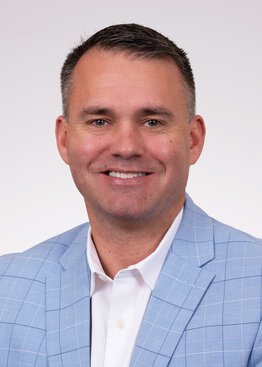
Nathan Dolloff, Ph.D.
Director of Entrepreneurship, MUSC Hollings Cancer Center and MUSC Office of Innovation
Associate Professor, Department of Pharmacology & Immunology
Dr. Dolloff is a cancer researcher with expertise in experimental cancer therapeutics, high throughput drug screening (HTS), academic drug discovery, preclinical drug development, and faculty entrepreneurship. He is the founder and chief scientific officer of Leukogene Therapeutics. A general approach of his lab is to identify and target mechanisms of resistance to cancer therapy. Projects have included targeting mechanisms of hypoxia-induced resistance, TRAIL resistance, proteasome inhibitor resistance in multiple myeloma, and the widespread resistance of cancer cells to epigenetic drugs. More recent efforts include developing new approaches to treat cancers that are considered immunologically “cold” and resistant to immunotherapy drugs. He is the Director of Entrepreneurship for the MUSC Hollings Cancer Center and MUSC Office of Innovation. In this role he promotes the fundamental importance of commercialization and faculty entrepreneurship to the success of academic research programs.
Frequently Asked Questions
No. This is a residential doctoral program, which means you learn on campus through laboratory research, mentoring, seminars and direct engagement with the MUSC research community.
This program is a strong fit if you have research interests in biological or chemical sciences and want to study disease mechanisms, drug action, toxicity, targets and therapeutic development.
You will build relationships with faculty mentors, peers and research teams while developing the habits, confidence and focus needed for independent scientific work.
Graduates may pursue research roles in academia, biotechnology, pharmaceutical science, government agencies and related discovery focused organizations.
No. You will also strengthen experimental design, data interpretation, literature review, scientific communication, ethical reasoning and collaboration.
Guided by purpose & principles
Join a community committed to rigorous discovery, responsible inquiry and shared progress, where your research questions can grow into knowledge that serves patients and society.
Objectives
The Doctor of Philosophy in Drug Discovery program aims to prepare graduates to:
- Investigate disease mechanisms that inform therapeutic discovery
- Design rigorous studies that evaluate drug action, toxicity and target relevance
- Translate basic science questions into research strategies with potential healthcare impact
- Communicate discoveries clearly to scientific, clinical and community audiences
- Pursue research careers with ethical judgment, intellectual independence and collaborative purpose
Competencies
Upon completion of the Doctor of Philosophy in Drug Discovery program, graduates will be able to:
- Design and conduct independent experiments that address complex drug discovery questions
- Analyze biological and chemical data with rigor and scientific context
- Evaluate literature to identify knowledge gaps, research opportunities and limits of evidence
- Communicate findings through presentations, manuscripts and professional dialogue
- Apply safe, ethical and collaborative practices in residential research settings
Vision
To advance a future in which discovery scientists transform rigorous questions into safer, more effective therapeutic solutions that improve lives.
Values
At the core of our program, we are guided by a commitment to the following values that drive our mission:
- Compassion: We act with kindness, empathy and dignity.
- Collaboration: We achieve common goals through teamwork and partnerships.
- Innovation: We drive transformation by embracing new ideas, discoveries and practices.
- Integrity: We do the right thing and commit to accountability in words, actions and use of resources.
- Respect: We value everyone and their many perspectives to build trust and a sense of belonging.
Mission
To educate and mentor doctoral scholars who use basic science, translational insight and ethical inquiry to advance drug discovery.
Stories worth sharing
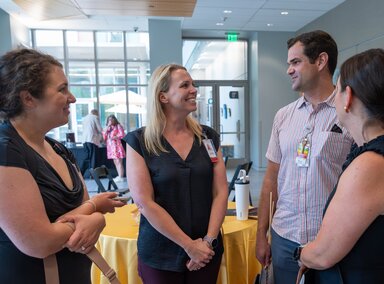
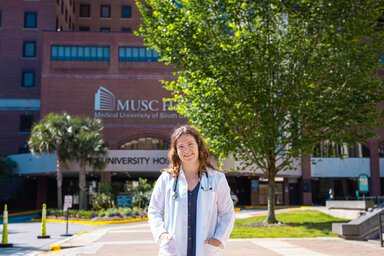
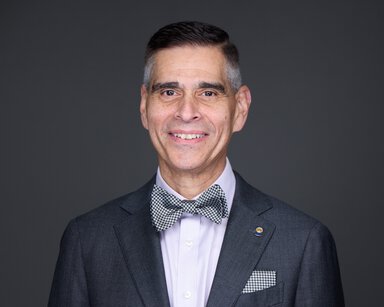
Stay connected to research news, student achievements and faculty insights from the College of Graduate Studies, and see how discovery at MUSC continues to shape healthcare progress.
Accreditation & Recognition
The Medical University of South Carolina is accredited by the Southern Association of Colleges and Schools Commission on Colleges (SACSCOC) to offer the Doctor of Philosophy in Drug Discovery. To learn more about MUSC's accreditation and find contact details, please visit our Accreditation page.